Window style is one of those choices that looks cosmetic but changes how a room feels every day: how much air you get, how easy the sash is to clean, and whether the bedroom works as an escape route. Here is a plain way to match double-hung, casement, and sliding windows to the rooms in a DC, Maryland, or Northern Virginia home.
What you’ll need
- A tape measure
- A notepad or phone for photos and notes
- A flashlight
- A few minutes in each room, working from the inside at floor level
Step 1: Know how each style works
Double-hung: two sashes that slide up and down inside the frame. Most rowhouses, colonials, and older brick homes in the region already have them, and the traditional look is hard to beat. Many modern versions tilt in for cleaning from inside.
Casement: a sash hinged on the side that cranks outward like a door. You open it with a handle, and when locked it presses tight against the frame.
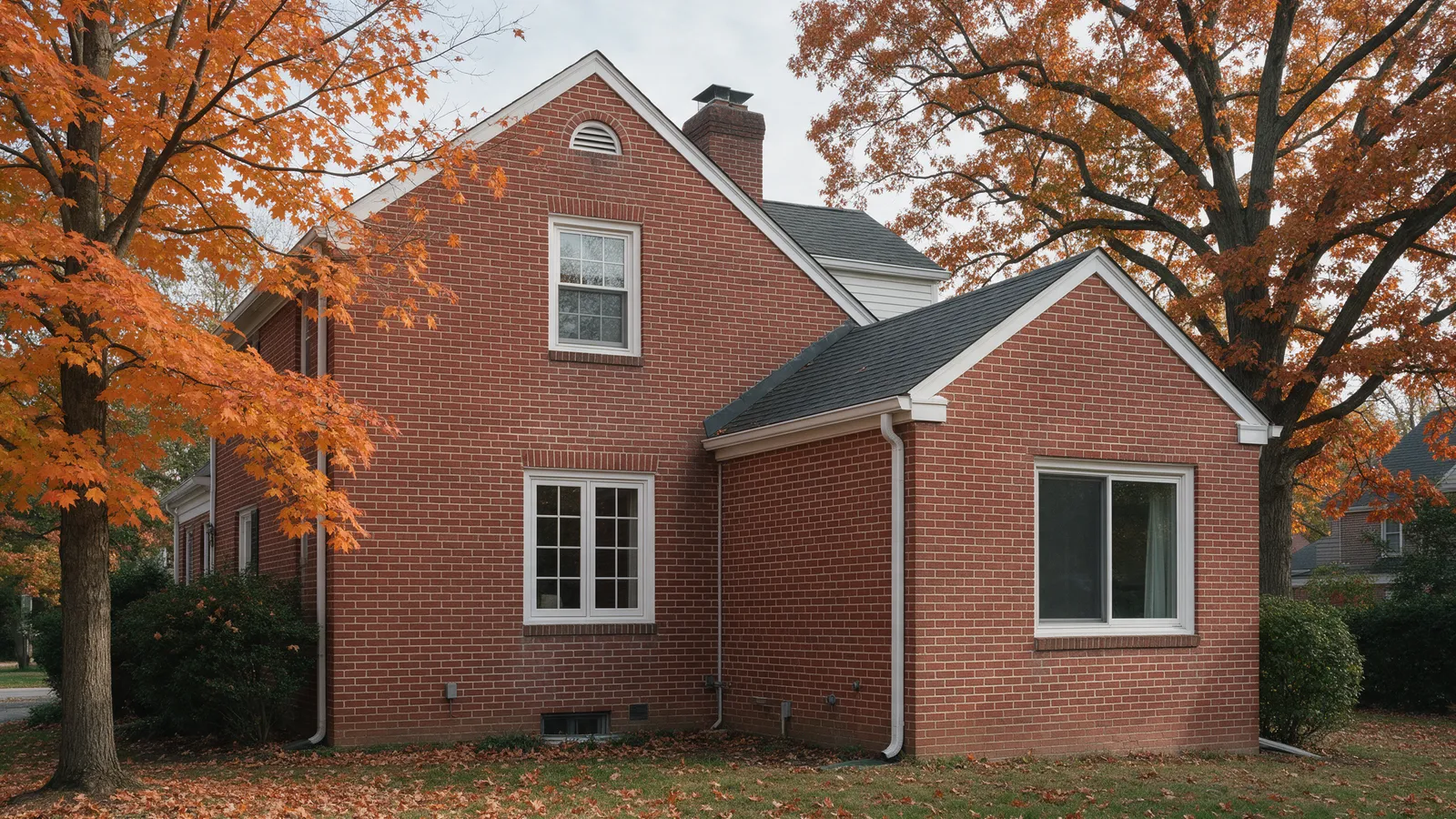
Sliding: two sashes, at least one of which slides sideways in a track. Common in ramblers, additions, and basements, and in wide, low openings.
Step 2: Compare them side by side
| Feature | Double-hung | Casement | Sliding |
|---|---|---|---|
| Opening | Up to half the window area at a time | Nearly the full sash area | Up to about half |
| Air tightness | Good with quality weatherstripping | Generally the best of the three | Generally the weakest of the three |
| Best fit | Traditional and historic façades | Hard-to-reach spots, ventilation | Wide, low openings |
| Cleaning | Tilt-in models are easy | Reach outside the sash is limited | Track needs regular cleaning |
| Wear point | Weatherstripping and balances | Crank and hinge hardware | Rollers and track |
| Screens | Outside half-screen | Inside, so screens are protected | Outside, along one side |
Treat the air-tightness row as a general pattern, not a guarantee. Product quality varies a lot, and installation matters as much as style. When you are comparing specific models, look at the NFRC label on each window, which lists the U-factor and an air leakage rating.
Step 3: Match the style to the room
Living room and dining room. Double-hung usually wins on looks, especially on the front of a traditional home. If you want maximum ventilation, a pair of casements can pull more air than a double-hung of the same size.
Kitchen over the sink. A casement is easier to open when you have to reach over a counter, since a crank is within reach. A sash that you have to lift is a fight at that distance.
Bedrooms. Egress comes first (see Step 4). Both double-hung and casement can be made to work, but the size of the opening decides.
Bathrooms. Casements or awnings give ventilation while keeping rain out when cracked open. A double-hung opened from the bottom works too but gives less control.
Basements. Sliders are common here because the openings are wide and shallow. If a basement room is a legal bedroom, egress rules apply and a slider that is too small will not meet them.
Stairwells and hard-to-reach windows. A crank casement means you do not have to lift a heavy sash from an awkward spot.
Step 4: Check bedroom egress before you choose
The International Residential Code, which DC, Maryland, and Virginia build on with their own local amendments, generally asks for all of the following in a sleeping room’s emergency escape opening:
- Net clear opening of at least 5.7 square feet (5.0 square feet at a grade-floor opening)
- At least 24 inches of clear height
- At least 20 inches of clear width
- A sill no more than 44 inches above the floor
All of these must be met at once, and the opening is measured with the window opened the normal way from the inside. Notice that 24 by 20 inches only gives about 3.3 square feet, so the window has to be bigger than the minimum height and width to reach the area requirement.
Here is the catch with double-hungs: only one sash opens at a time, so the usable clear opening is roughly half the glass area, and a large window may be needed. A casement swings out and often gives a larger clear opening for its overall size, though the sash and hinges can still eat into the number. Measure the clear opening on the window you have, with it open, and don’t guess from the overall size.
Rules are adopted and amended locally, so confirm the current requirement with your county or city building office before you buy. If you are changing the size of a bedroom opening, that is structural work and a job for a licensed, insured professional.
Step 5: Do a quick performance check on what you have
You can compare your existing windows on a cool, breezy day from inside.
- Close and lock the window. Casements should pull tight; double-hung sashes should sit flat against the meeting rail.
- Hold the back of your hand along the edges. Moving air along the sash or meeting rail points to worn weatherstripping.
- Look for light. Turn off the room light at dusk and shine a flashlight along the frame from the outside while a helper watches from the inside. Light leaking through is air leaking through.
- Check the hardware. Does the crank turn smoothly? Does a double-hung sash stay up on its own? Is the slider rolling freely?
- Check the glass. Fogging between panes of a double-pane unit suggests a failed seal.
- Take photos and log each window by room so you can compare when you get quotes.
Work only at ground level or from inside. Windows above the first floor are a job for a professional with the right equipment.
Step 6: Consider the look of your home
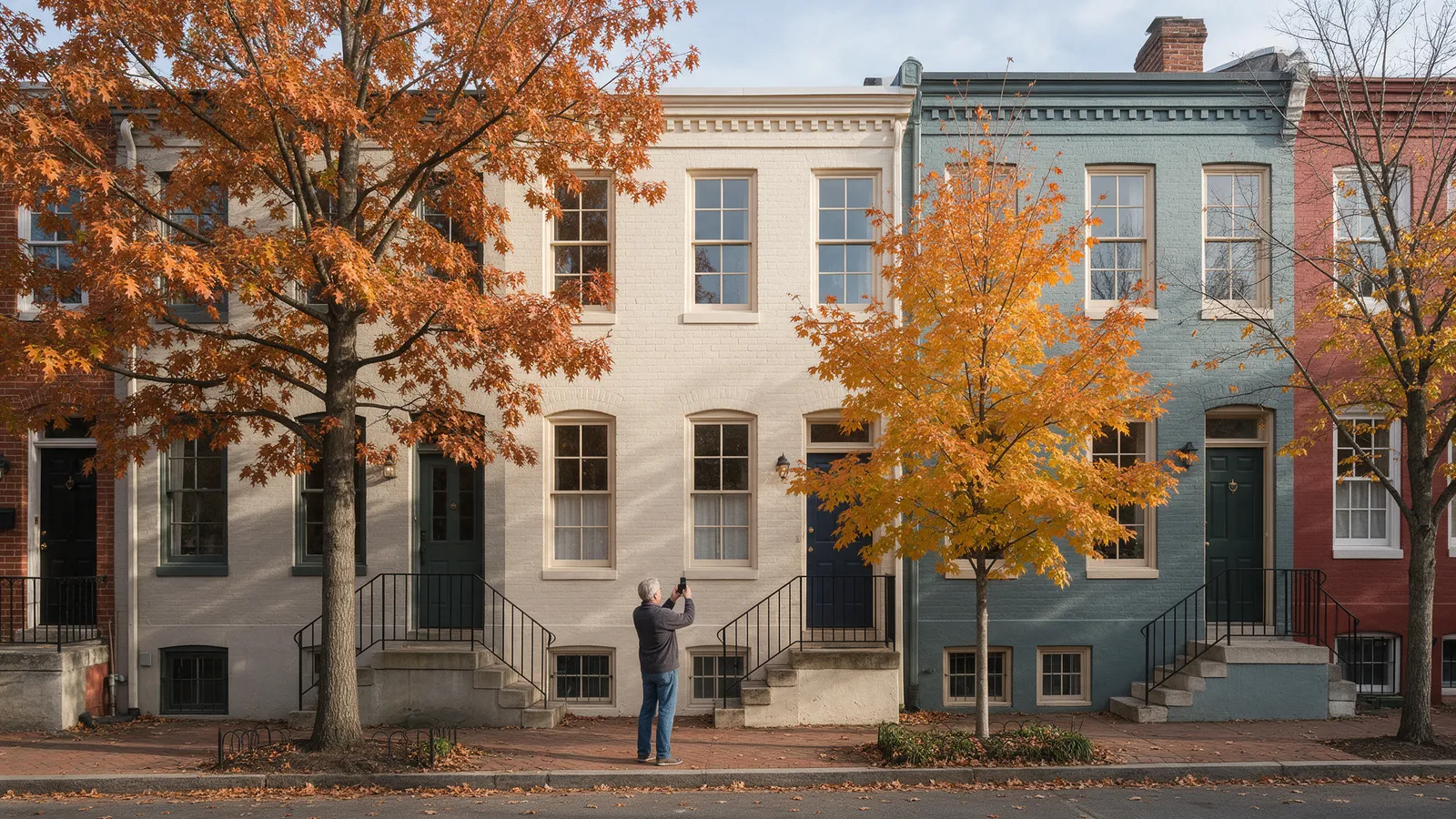
Style should also follow the house. A colonial or rowhouse with double-hung windows on the front often looks wrong with casements or sliders added. In DC historic districts, changes to the street-facing walls may need review before work starts, so check before you order. The side and rear of a house usually give more room for practical choices.
Cheap upgrades before you replace anything
If your windows are fine but leaky, you may not need a new style at all.
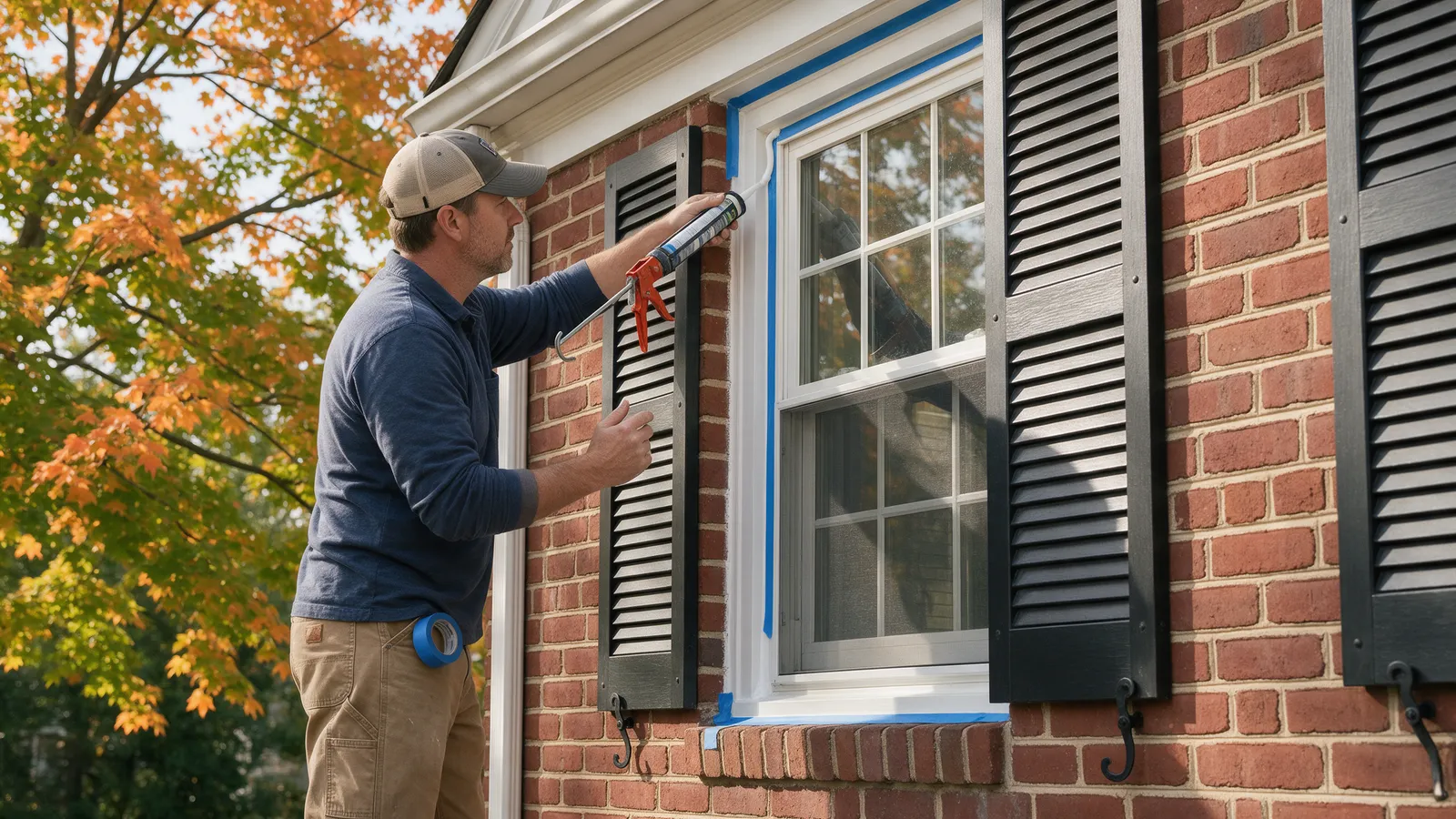
- Re-caulk the exterior trim (see our guide to how to recaulk exterior window trim).
- Replace worn weatherstripping on double-hung sashes and casements.
- Clean and lubricate slider tracks and replace failed rollers.
- Add interior window film or a storm window in the coldest rooms.
These are typically cheaper than replacement, and they can tell you whether the problem is the window or its surroundings.
When to stop and call a professional
Call an insured window professional if:
- You see rot in the sill or frame, or the wood feels soft when you press it with a screwdriver tip.
- Water stains show on the wall below a window, or there are signs of moisture inside the wall.
- You want to change the size of an opening, especially a bedroom opening. That is structural.
- A window is above the first floor and needs work outside. Never work above one story on a ladder.
- Panes are fogged or cracked.
- A sash will not open, close, or stay up, and the cause is not obviously a dirty track.
- You live in a historic district and are changing a visible window.
Next steps
Once you know which rooms need what, get a couple of written quotes that list the style, brand, and glass package for each opening. See our window services for what we cover, check the areas we serve across DC, Maryland, and Northern Virginia, and if a storm has already damaged a window, our storm damage page explains next steps. For a related project, read how to recaulk exterior window trim before you decide anything is beyond repair.
Common questions
Are casement windows more energy efficient than double-hung windows?
Casements usually leak less air because the sash presses into the frame when you lock it, while double-hung sashes slide past weatherstripping that can wear over time. A well-made double-hung with good weatherstripping closes much of that gap. Compare the NFRC label (U-factor and air leakage rating) on the actual models you are considering rather than relying on the style alone.
What size does a bedroom window need to be for egress?
The International Residential Code, which DC, Maryland, and Virginia build on with local amendments, generally asks for a net clear opening of at least 5.7 square feet (5.0 at grade floor), at least 24 inches high and 20 inches wide, with the sill no more than 44 inches above the floor. All of these must be met together, measured with the window opened normally. Confirm the rule your jurisdiction has adopted before ordering.
Are sliding windows a bad choice?
Not at all. Sliders are simple, have few moving parts, and suit wide, low openings where you want a clear view. They are generally less airtight than casements because the sash needs a small gap to travel in its track. Keeping the track clean and the rollers working matters more with a slider than with other types.
Can I swap one window style for another in my existing opening?
Sometimes. A replacement unit that fits the existing frame is the simplest route, but changing style can alter the opening's size, the trim, and the flashing details. In historic districts or on street-facing walls, visible changes may also need approval. Ask a window professional to measure and advise before you commit.
A note on safety
This guide is general information for homeowners, not a substitute for an on-site assessment. Anything that puts you on a roof, above a single story, or near power lines is work for an insured professional with fall protection.